
If you’ve spent any time on TikTok lately, you’ve probably seen kefir popping up everywhere, from “morning gut health shots” to “kefir overnight oats” to “I healed my gut in 2 weeks” videos.
It’s brilliant to see fermented foods becoming mainstream…
…but with virality comes misinformation.
And when it comes to kefir, there’s a lot of confusion on TikTok about what it is, how it works, and which claims simply aren’t true.
Here’s a gentle fact-check to help you spot what’s real kefir and what isn’t.
Myth One: “All kefir is the same.”
Not quite.
Just like the difference between Greek yoghurt and Greek-style yoghurt, there are different types of kefir depending on how they’re made.
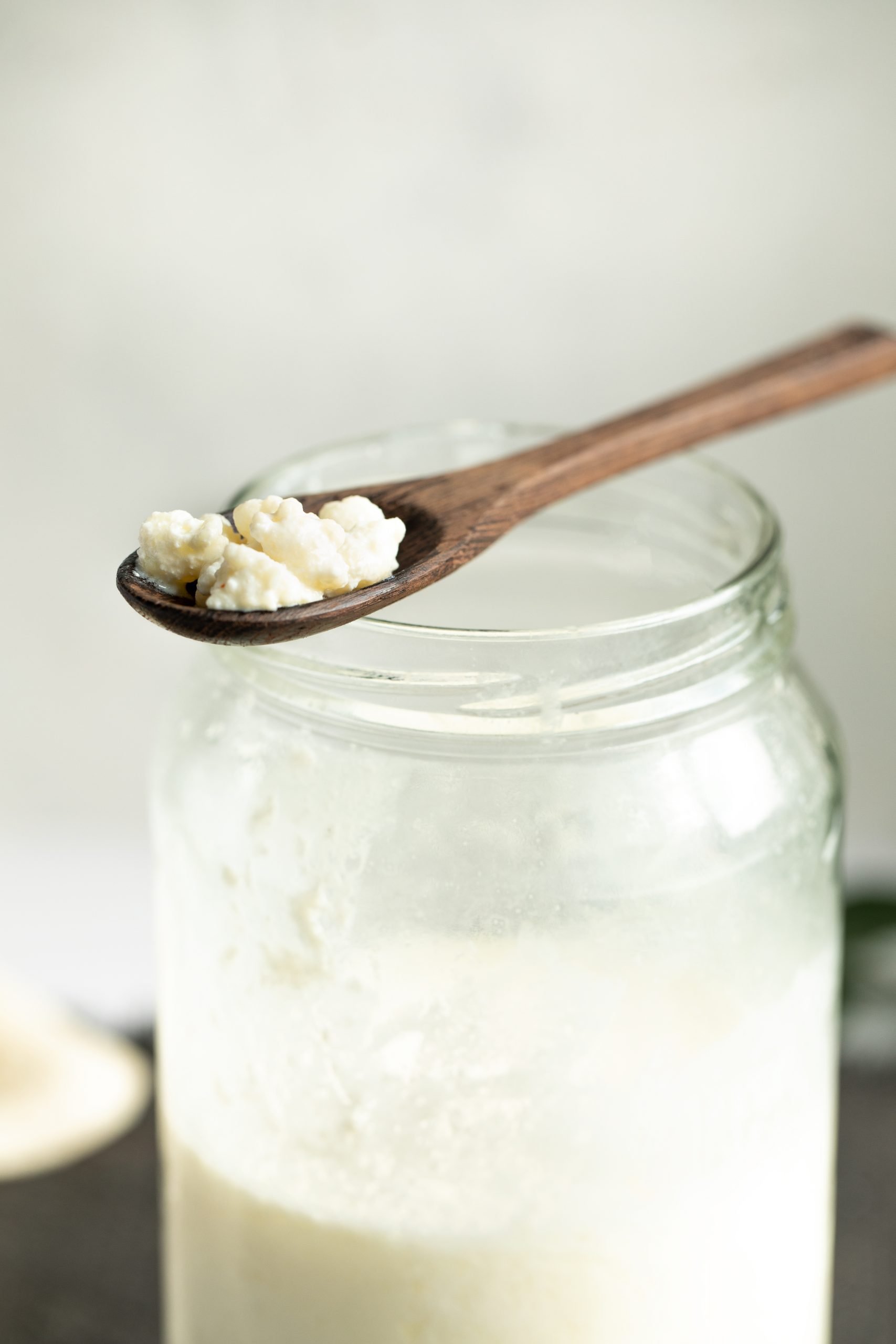
Traditional kefir, including Kerry Kefir, is made using live kefir grains, a natural symbiotic community of bacteria and yeasts. These grains cannot be man-made or replicated in a lab. They continue to ferment in the bottle, which is why traditional kefir is naturally fizzy, tangy, and ever-evolving.
Many commercial “kefir-style” products are made using powdered starter cultures. These powders can create a fermented milk drink with a similar look and texture, but they generally don’t develop the same microbial diversity as kefir made from real grains.
TikTok tip:
If your kefir tastes like a slightly tangy yoghurt and never fizzes… it may be kefir made using powdered cultures rather than traditional grains.
Myth Two: “You can cook with kefir and still get the same benefits.”
Not exactly.
We love using kefir in recipes, pancakes, breads, marinades, overnight oats, it’s incredibly versatile. But there’s an important distinction to understand:
Heat does kill the live bacteria and yeasts in kefir. Once kefir is heated, baked, boiled or microwaved, those living cultures won’t survive.
But here’s where TikTok often leaves out the full story:
Traditional kefir still offers benefits even after heating. While the live cultures may be gone, the byproducts of fermentation remain, including:
- Bioactive peptides, which research suggests may help support the immune system
- Short-chain fatty acids, which play an important role in reducing inflammation
These compounds are created during fermentation, so they remain present even when the live cultures don’t.
So cooking with kefir absolutely has value, it’s just a different kind of benefit.
The rule of thumb is simple:
- If it’s cooked, it’s for flavour and, if using traditionally-made kefir, fermentation byproducts.
- If it’s cold, it’s for live cultures.
Myth Three: “Kefir works the same for everyone.”
Social media loves an overnight miracle story, but kefir isn’t a one-size-fits-all solution.
Some people feel changes quickly, others slowly, and some may need to start very small. Everyone’s microbiome is different, and that’s perfectly normal.
If someone claims:
✔ “This healed me instantly”
✔ “Guaranteed results in X days”
✔ “Cures bloating”
…it’s time to scroll on.
Myth Four: “More bacteria = better kefir.”
A common theme on TikTok is obsessing over the number of bacteria
“10 billion CFU!”
“50 billion!”
“100 billion probiotic power!”
But here’s the real question: Which strains?
And even more importantly: Are they alive when you drink them?
Traditional kefir focuses on diversity, not numbers.
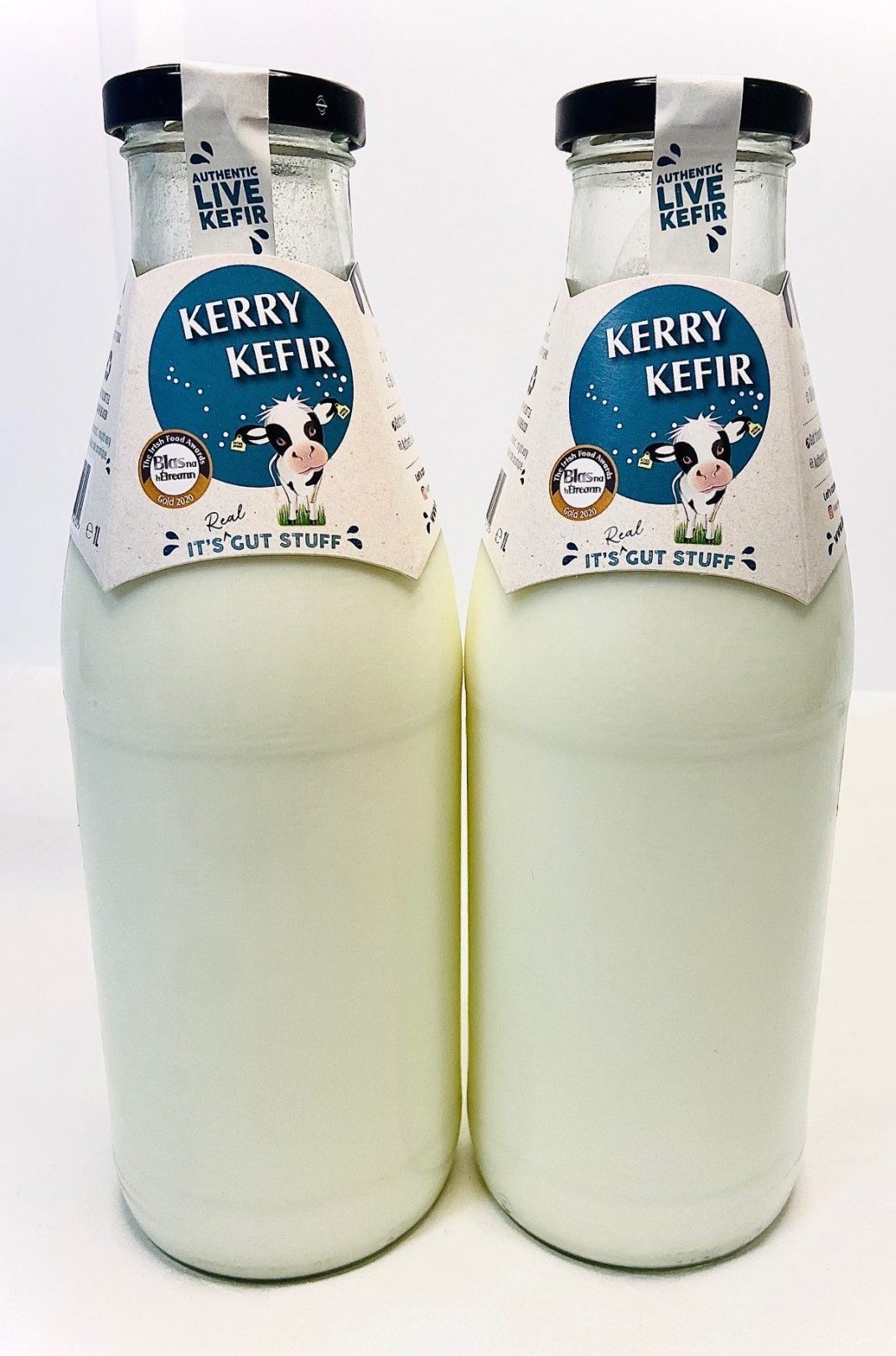
At Kerry Kefir, independent DNA analysis identified 40+ strains – and that balance changes naturally with the seasons.
TikTok doesn’t talk about diversity, but science does.
How to Spot Real Kefir (Especially If You’re New to It)
If you’re watching TikTok wondering which bottle to buy, here’s an easy checklist:
✔ Made with live kefir grains (not powder)
✔ Naturally fizzy (it keeps fermenting because it’s alive)
✔ Tangier, sharper taste — not yoghurty
✔ Ingredients list = milk + kefir grains (that’s it)
✔ Needs refrigeration
✔ Texture is pourable, not thick like yoghurt
If you open a bottle and hear that little psssst – congratulations, you’ve found the real stuff.
TikTok Is Great… But Facts Matter
It’s fantastic that kefir is having a social-media moment. The more people learn about fermented foods, the better.
But it’s also important to separate:
- What’s backed by science vs what’s said by influencers
- Hype vs honesty
- Powdered “kefir-style” drinks vs real kefir made with live grains
Kefir has been made the same way for thousands of years, long before TikTok, long before supplements, long before marketing buzzwords.
The trend is new, but the benefits of real kefir are ancient.