
We often hear the same message when it comes to food: Eat more whole foods. Add fermented foods. Increase fibre. Focus on gut health.
And for many people, these changes can feel positive. But not always.
Sometimes foods that are widely considered “healthy” don’t feel good at all. You might try something new expecting benefits and instead feel bloated, uncomfortable, or just not quite right. I know this from experience.

My Journey with IBS
I was diagnosed with IBS in my mid-twenties. At the time, one of the recommendations was to remove dairy from my diet, so that’s what I did.
For seven years, I avoided dairy completely. It changed how I ate, where I ate, and how I approached food. Like many people living with digestive issues, I spent years trying to figure out what worked and what didn’t.
Then I discovered kefir. To be honest, I was hesitant. Kefir is made from milk, and after years of avoiding dairy, it felt counterintuitive to introduce it back into my routine. But I was curious enough to try making it myself.
Within a week, I noticed a significant improvement in my digestion. Now, that’s simply my personal experience. Everyone is different, and what worked for me won’t necessarily work for everyone. But it was enough to make me keep going. Over time, kefir became a regular part of my daily routine.
Sometimes the “Rules” Aren’t So Simple
One thing I’ve learned over the years is that food isn’t one-size-fits-all.
Two people can eat exactly the same meal and have completely different experiences.
Long before personalised nutrition became a popular topic, many of us living with digestive issues already knew this from experience.
There were times when increasing fibre made me feel worse. There were times when foods I’d always been told were healthy simply didn’t agree with me. And there were times when foods I’d been avoiding seemed easier to tolerate than expected.
The reality is that our relationship with food is often far more individual than we realise.
Reintroducing Foods Slowly
During the pandemic, after years of regularly drinking kefir, I began cautiously reintroducing other dairy products into my diet. First yoghurt. Then small amounts of cream. Eventually, even the occasional ice cream.
To my surprise, I found I could tolerate many of these foods without the discomfort I used to experience.
I still don’t drink milk by the glass, and I’m careful not to overdo dairy. But the freedom to enjoy foods I’d avoided for years has been a real joy.
What’s been particularly rewarding is hearing similar stories from many of our customers. While everyone’s experience is different, we’ve had countless conversations with people who tell us that kefir has helped them enjoy a wider range of foods as part of a balanced diet.
Listening to Your Body
One thing I wish someone had told me earlier is that healthy eating doesn’t have to be all-or-nothing. Sometimes the most helpful thing you can do is slow down. Introduce foods gradually. Pay attention to patterns rather than individual meals. Give your body time to adjust. And remember that what works for you today may change over time.
Stress, sleep, lifestyle, age, hormones, and countless other factors can influence how we respond to food.
Where Kefir Fit
For me, kefir became one piece of a much bigger picture. Not a miracle solution. Not a quick fix. Just one food that seemed to work well for my body when many others didn’t.
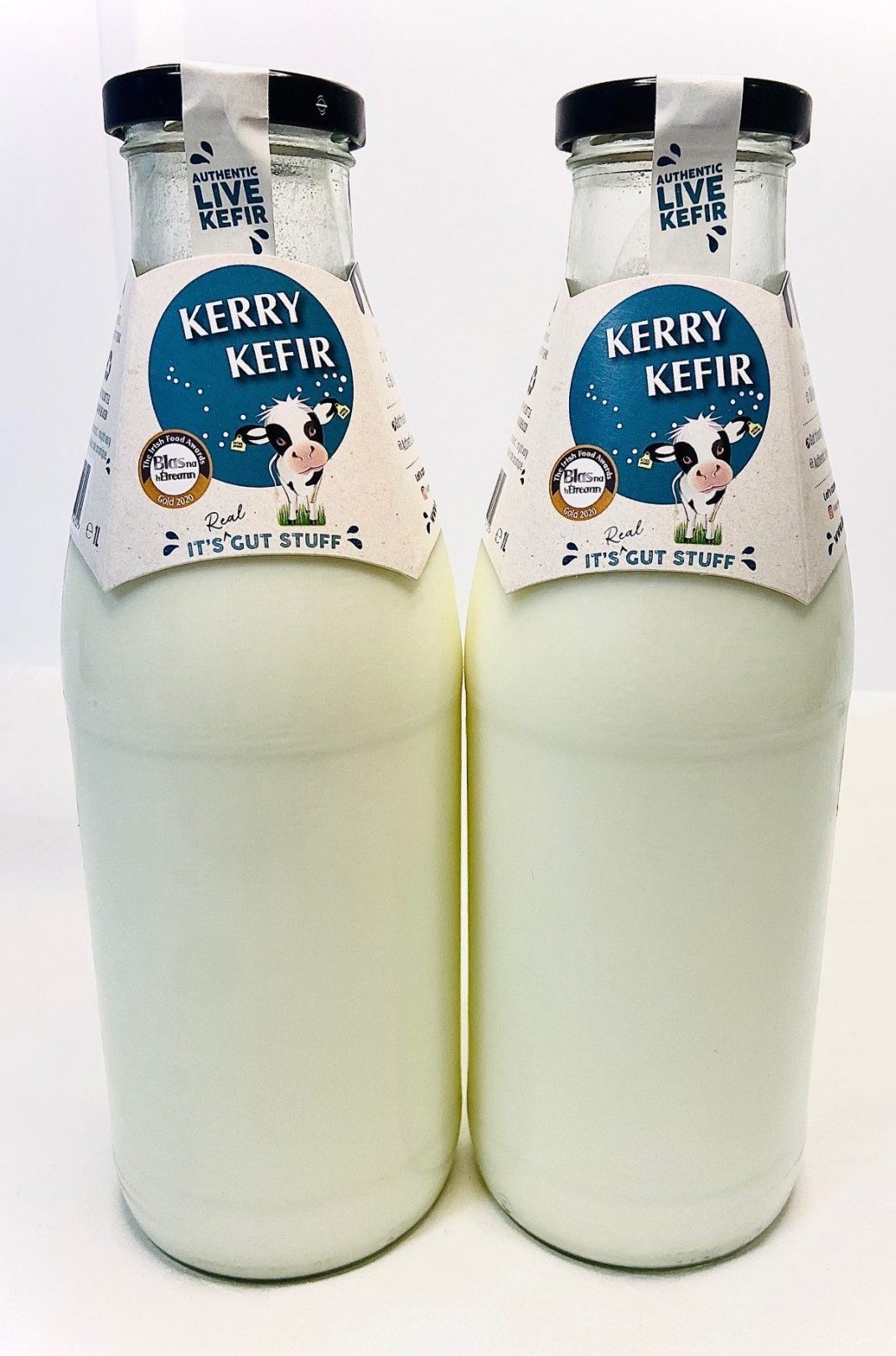
That’s one of the reasons I’m so passionate about making traditionally fermented kefir at Kerry Kefir today. Because I know what it’s like to feel frustrated, confused, and overwhelmed by conflicting nutrition advice.
And I know how meaningful it can be when you finally find something that works for you.
There’s No Perfect Way to Eat
Food is often discussed in absolutes; Good or bad. Healthy or unhealthy. Right or wrong. But real life is rarely that simple.
Sometimes the most valuable thing we can do is listen to our bodies, stay curious, and accept that health looks a little different for everyone.
My experience with kefir won’t be everyone’s experience, but it taught me something important: The goal isn’t to eat perfectly, it’s to find what helps you feel your best.