
Over the past year, I’ve found myself having the same conversation in very different places. At Electric Picnic, at the Samhain Festival in Kells, and in conversations with everyday people just trying to feel better in their own bodies.
The phrase that keeps coming up is “food as medicine.” It’s everywhere right now. On podcasts, in wellness spaces, in hospitals, in schools, and increasingly, on social media.
And while I welcome the renewed interest in how food affects our health, I also think it’s worth pausing to ask: what do we actually mean by food as medicine, and where does it risk becoming just another marketing slogan?
This is a conversation close to my heart, not only because of the work I do, but because changing how I ate helped me gain real control over my IBS after years of struggling. Food didn’t “cure” me, but it gave me agency. And that distinction matters.
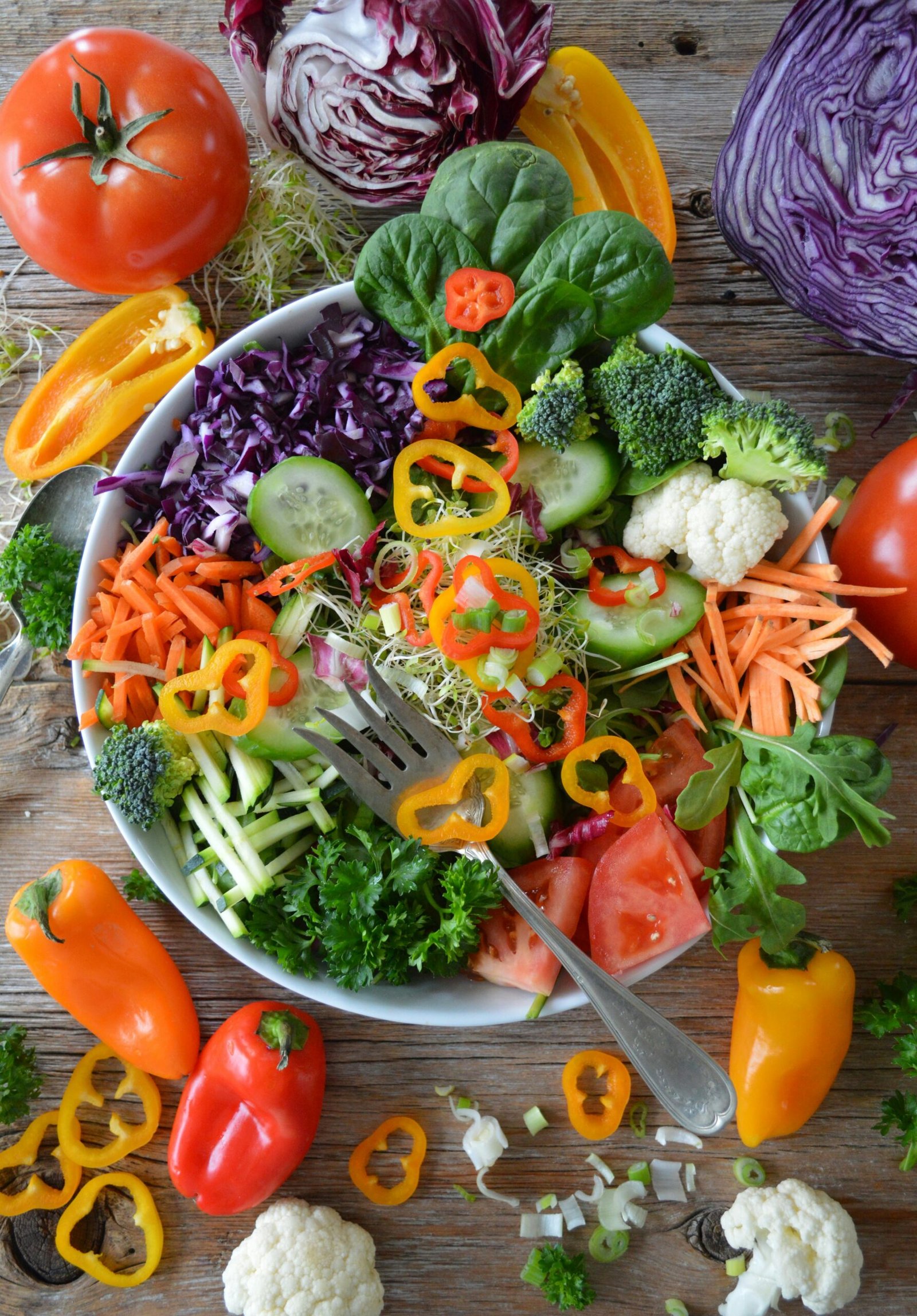
Why Ultra-Processed Food Dominates the Conversation
To understand why food as medicine has gained so much traction, we need to look at what we’re up against.
Modern diets in Ireland and across much of the Western world are dominated by ultra-processed foods. These products are designed to be cheap, convenient, long-lasting, and hyper-palatable. They’re also often stripped of fibre, diversity, and the natural structures that our bodies evolved to work with.
Healthcare systems are now grappling with rising rates of chronic illness, from digestive disorders to metabolic disease, conditions that are deeply influenced by diet and lifestyle. When people feel let down by systems that treat symptoms rather than root causes, it’s no surprise they start looking elsewhere.
Food becomes the obvious place to turn. It’s something we engage with multiple times a day. It feels tangible. Empowering. Personal. But that also makes it vulnerable to oversimplification.
Food Has Always Been Part of Health
What’s often framed as a “new” idea is anything but. Long before supplements, calorie counts, or nutrition labels, food was one of the primary tools people had to support themselves and their families.
Fermented foods, in particular, have existed across cultures for thousands of years. Not because they were trendy, but because they were practical. Fermentation preserved food, improved digestibility, reduced waste, and created variety in times when refrigeration didn’t exist.
These foods were never marketed as cures. They were simply part of everyday life.
What’s changed is not the food itself, but how disconnected many of us have become from how food is grown, prepared, and shared.
Preventative, Not Curative
One of the most important distinctions that gets lost in the food as medicine conversation is this: food is preventative, not curative.
Food supports the body. It doesn’t replace medical treatment. It doesn’t work like a pill with an immediate, guaranteed outcome. And it shouldn’t be burdened with expectations it was never meant to carry.
When we start asking foods to fix us, we set ourselves up for disappointment. When instead we see food as something that helps create the conditions for health over time, the relationship becomes far healthier.
This is where so much modern wellness marketing goes wrong. It promises certainty in an area that is deeply individual and complex.
The Danger of Over-Medicalising Food
There’s a growing tendency to talk about food only in terms of function. What it does. What it fixes. What it targets.
While research into nutrition is valuable, reducing food to a list of outcomes strips it of something essential: Culture. Pleasure. Connection. Choice.
At both Electric Picnic and Samhain, what struck me most wasn’t the science being shared, but the stories. People talking about how food connects them to childhood, to grandparents, to farming, to place. Food that carries memory, not just macros.
When food becomes overly medicalised, we risk creating fear around eating. We turn meals into moral decisions. We forget that eating is also social, emotional, and deeply human.
Where the Line Should Be Drawn
There is a place for research, innovation, and clinical nutrition. Hospitals and schools around the world are beginning to explore culinary medicine, integrating better food into care settings rather than treating it as an afterthought. That’s a positive shift.
But it works best when food is treated as a foundation, not a prescription.
The most grounded voices in this space are the ones advocating for simplicity. Less ultra-processing. More whole foods. Greater diversity. Better connection to where food comes from.
Not perfection. Not restriction. Not hacks. Just better systems and more informed choices.
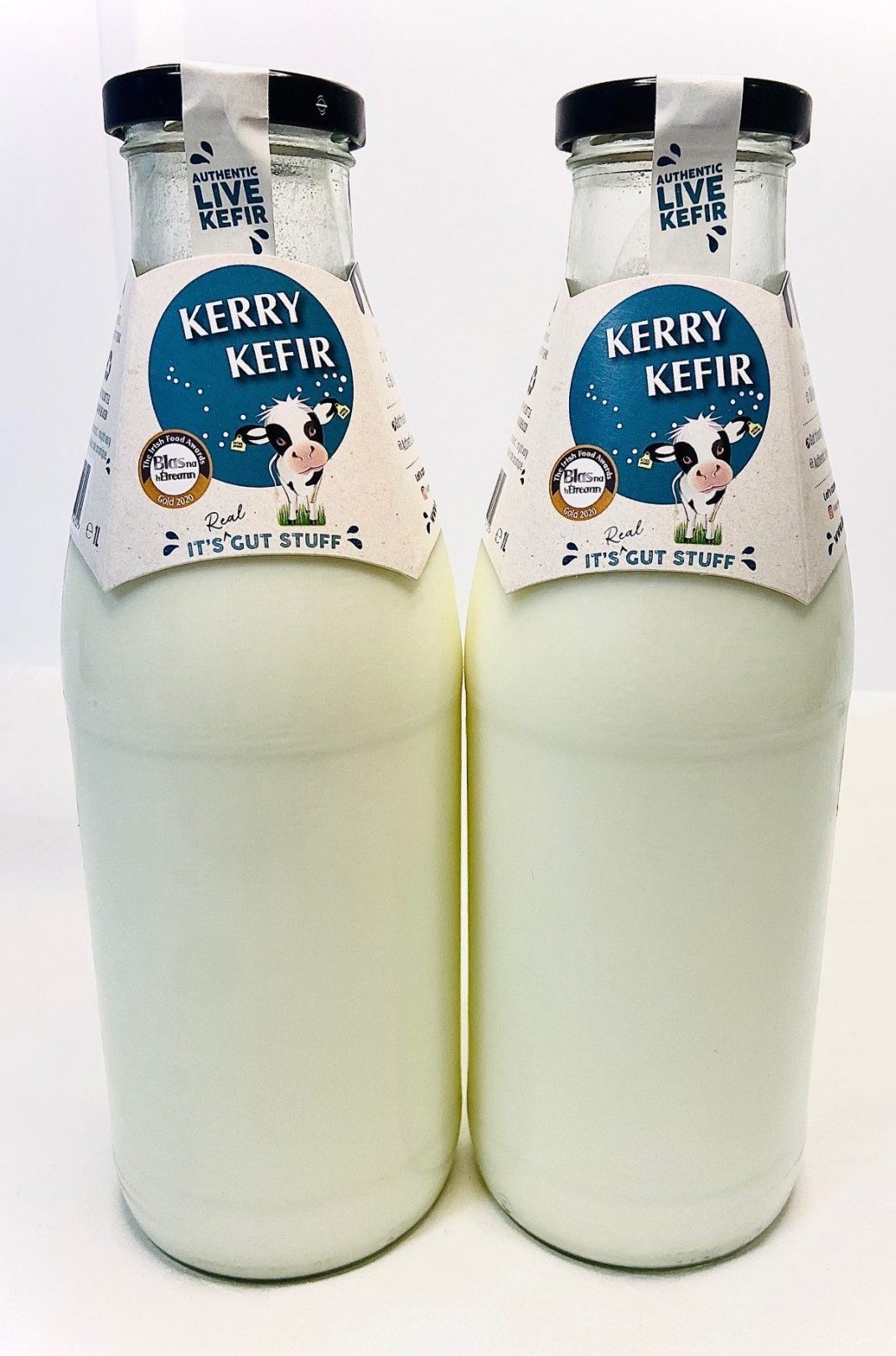
Food, Choice, and Community
One of the most powerful takeaways for me from these conversations is that food is one of the most accessible tools we have. Not because it promises transformation, but because it allows participation. When we choose real food, we’re not just making a decision for ourselves. We’re supporting farmers, producers, and communities who are trying to keep traditional skills alive in a system that often rewards speed, scale, and shortcuts. People like the farmers behind Fiorbhia Farm, organisations such as Green Earth Organics, and voices like Colman Power, who continue to shine a light on the work being done by Irish producers to feed their local communities with care and integrity. We’re also seeing important conversations being led by specialists such as Heather McGuire, whose work in Culinary Medicine bridges the gap between food, health, and education, helping people reconnect with food as something practical, cultural, and human. The reality is that there are fewer people growing food now than ever before. Supporting those who are still choosing to farm, ferment, bake, and produce food locally matters. These choices help protect biodiversity, food knowledge, and regional food systems that can’t be replaced once they’re gone. Food as medicine, at its best, isn’t about claims or cures. It’s about respect. Respect for our bodies. Respect for our food. And respect for the people who grow and make it.What’s Real, What’s Marketing?
The real version of food as medicine is slow. Unsexy. Often inconvenient. It doesn’t fit neatly into a headline or a TikTok clip. The marketed version is loud and filled with promises.
Learning to tell the difference is part of becoming a more confident, informed eater.
For me, that’s where hope lies. Not in any single food or trend, but in a growing awareness that what we eat matters, how it’s made matters, and that food can support us without being asked to perform miracles.
And if there’s one thing I’ve taken away from standing in festival tents talking about food, it’s this: people are ready for that conversation.