
Food advice has never been louder.
One week it’s high-protein everything. The next it’s seed oils. Then it’s fasting, gut hacks, biohacking, cutting carbs, counting macros.
Scroll through social media for five minutes and it can feel like every ingredient is either a miracle or a mistake.
It’s no wonder so many people feel overwhelmed.
But when you strip away the noise, food doesn’t have to be complicated.
The Shift Back to Simplicity
There’s a quiet shift happening in food culture. Less obsession with optimisation. More focus on simplicity. Fewer extremes. More whole foods.
It’s not about chasing perfection or cutting entire food groups. It’s about asking simple questions:
- What’s in this?
- Do I recognise these ingredients?
- Does this feel like real food?
That’s often enough. The goal isn’t control. It’s awareness.
Ultra-Processed Foods and Why Ingredient Lists Matter
Ultra-processed foods have become a bigger part of the public conversation in recent years. These are foods that go beyond simple processing and contain ingredients you wouldn’t typically use at home, emulsifiers, flavour enhancers, stabilisers, artificial sweeteners, colourings, and long ingredient lists.
Processing itself isn’t the problem. Bread is processed. Yoghurt is processed. Cheese is processed.
The concern tends to centre around foods that are heavily engineered for shelf life and hyper-palatability, often with layers of additives designed to make them more convenient, more uniform, and harder to put down.
Often, the foods with the shortest, most recognisable ingredient lists are the ones that feel most grounding. Real ingredients. Minimal interference. Nothing unnecessary.
It’s not about eliminating everything that comes in packaging. It’s about understanding what you’re choosing and why.
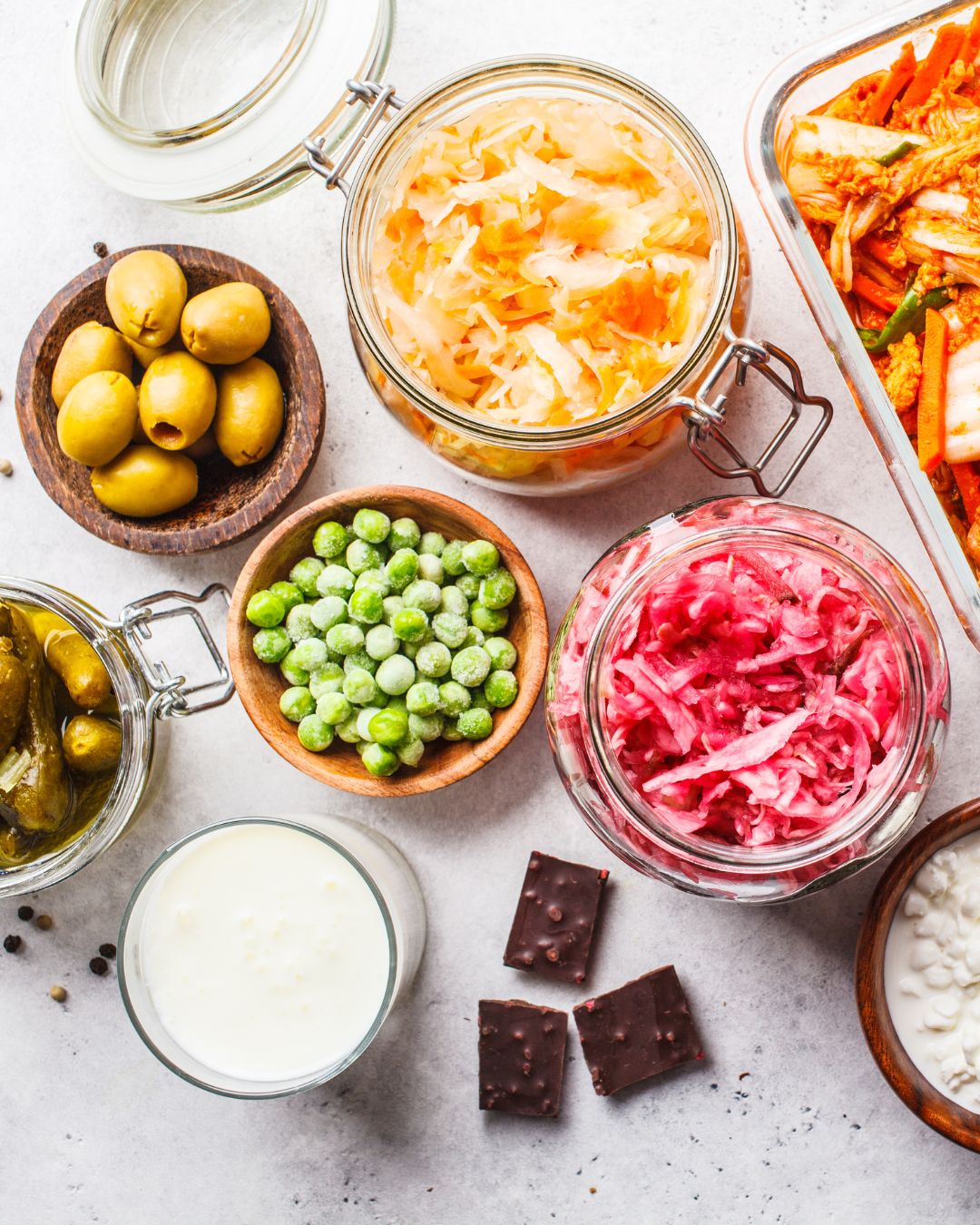
Fermented Foods: Old Traditions, Modern Relevance
Long before we had fridges, supplements, or supermarket shelves lined with functional claims, fermentation was simply a way of preserving food.
- Milk became kefir.
- Cabbage became sauerkraut.
- Tea became kombucha.
Fermented foods weren’t trends. They were everyday staples in cultures across the world.
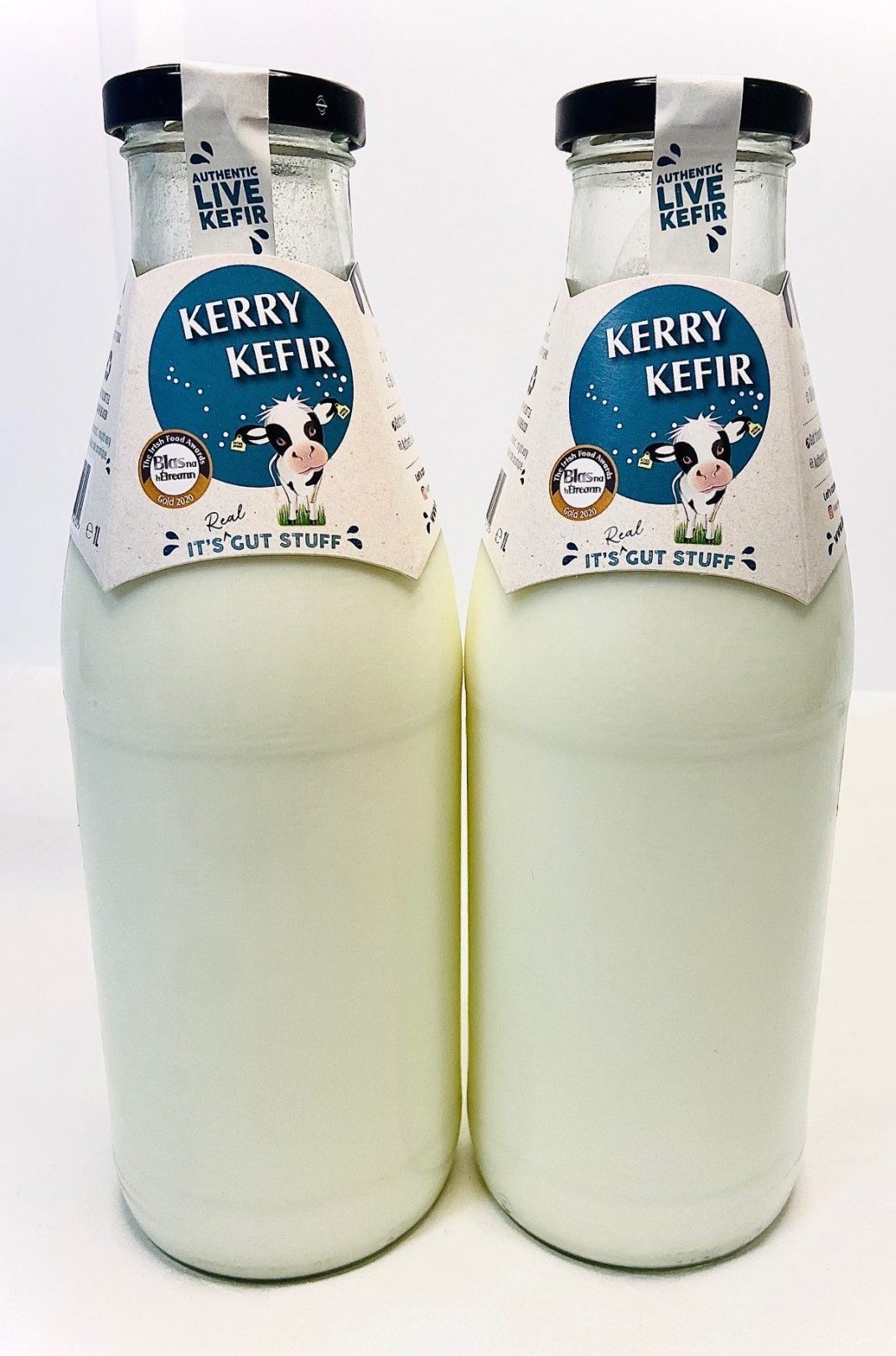
What makes traditionally made kefir unique is the way it’s produced. Real kefir is made using live kefir grains, a symbiotic culture of bacteria and yeasts that naturally ferment milk. It’s not a powder stirred into milk. It’s a living process. The result is a tangy, naturally fizzy drink that continues to evolve with each batch. The microbial diversity shifts with the seasons, something we explored in more depth in our blog on the DNA of Kerry Kefir.
It’s not about labelling anything as a miracle food. It’s about recognising that traditional methods often have a depth and integrity that industrial shortcuts can’t replicate.
Less Optimisation, More Variety
For a long time, food conversations were dominated by numbers. Calories. Macros. Protein grams. Billions of bacteria.
Now the conversation is slowly shifting toward diversity:
- More colours on your plate.
- More fibre.
- More whole foods.
- More variety.
- Aiming for around 25 grams of fibre per day is a simple benchmark that supports overall gut function.
- Including fruit, vegetables, legumes, nuts, seeds, and fermented foods creates a diet that feels rich rather than restrictive.
It doesn’t require expensive powders or complicated rules. It just requires consistency.
What This Looks Like in Real Life
It might look like:
- Choosing wholemeal bread over ultra-refined options
- Adding a spoonful of something fermented to your day
- Cooking at home a little more often
- Checking ingredient lists before you buy
Not perfectly. Just intentionally.
Food doesn’t have to be a project. It doesn’t have to be moral. It doesn’t have to be optimised. It just has to be real enough. And maybe that’s the most refreshing shift of all.